TWO PORTRAITS & ORIGINAL FICTION
Alice
Wonderbang
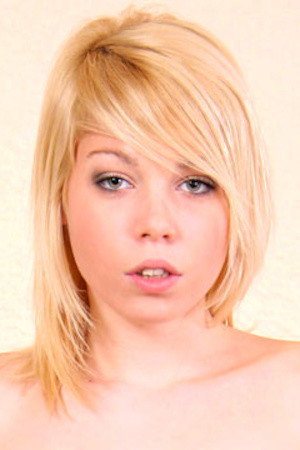
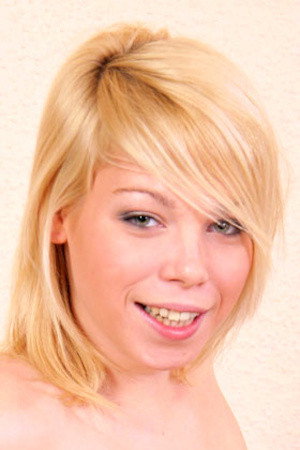
Alice Wonderbang is an adult performer introduced here through two complete original portraits and a close visual reading of the pair. Blonde hair, a face held near the lens and a pale background tie the frames together; a parted mouth in one and a smile in the other keep them apart. Two original stories, The Unsent Invitation and The Paper Sun, imagine an Alice who works with what is unfinished.
Visit work archivePartner brands






Alice Wonderbang
Two frames, one public name
Alice Wonderbang is the public performer name behind both photographs, which come from a public film and television catalogue and are reproduced here in full. Each is vertical and complete, keeping her head, hair and shoulder line inside the original crop. Seen side by side, they show how little has to change for a portrait to become a different picture: the mouth, the fall of a strand. The collection does not arrange them into a before and after.
The visual essay, Two Portraits, stays with what the camera recorded. It reads the pair as two compositions rather than two moods, and it avoids turning a smile into a character trait. The fiction goes elsewhere. In The Unsent Invitation an imagined Alice leaves the destination blank; in The Paper Sun she folds a small sun and lets it wait for morning. Both stories are invented, and both are happy to leave an object unfinished.
Two frames, kept whole
The collection opens with the two portraits rather than with a biography. Both are vertical, both are complete, and both keep Alice Wonderbang's blonde hair and face against a pale field. Showing them whole is a decision: it leaves each photograph its own proportions and its own edges.
What the change reveals
The differences are small and easy to list. One portrait holds parted lips, the other a smile. Her hair falls across the forehead at a slightly different angle in each. The essay reads those details as photography, without turning an expression into a personality or an unseen event into a story.
An Alice who leaves things open
The fiction takes over where the photographs stop. An imagined Alice writes an invitation with no destination and folds a paper sun that can wait for daylight. In both stories an ordinary object is given a small change of purpose. They are invented scenes around a public persona, and they stay away from private biography.